
Future career planning can seem very intimidating, especially when first beginning your college journey. A pivotal step in this process is deciding what to study in college, which also may seem daunting. Despite the stress, this will be one of the most exciting times in your life! You will finally get to explore the career paths you once dreamed about. Think back to the times in elementary school when you were asked the question: “What do you want to be when you grow up?” Now you can fulfill these dreams! If your answer was to become an accountant, this article will offer advice on how to get the most out of your college experience and land your first full-time job offer.
Career Paths in Accounting
Accounting offers a wide range of career opportunities, including public, corporate, forensic, and government accounting. Within each of these sectors, the possibilities are endless – you can become a tax accountant, auditor, internal controller, or forensic/government accountant. That is not to say that you are limited to choosing just one sector or position. For example, as a public accounting firm, GYF offers unique services aside from the traditional disciplines of Taxation and Auditing. Our Business Valuation & Litigation Support Services and ERP Solutions Groups have been serving clients for many years. Most recently, the firm added the Client Accounting Services (CAS) Group to offer expertise in the day-to-day business functions, including transactional accounting and controller responsibilities.
Becoming a CPA
A crucial decision for many aspiring accounting professionals is whether you want to become a Certified Public Accountant (CPA). Recently, there have been many changes to the path to becoming a CPA. In 2024, a new structure of the CPA exam was introduced as part of the CPA Evolution initiative.
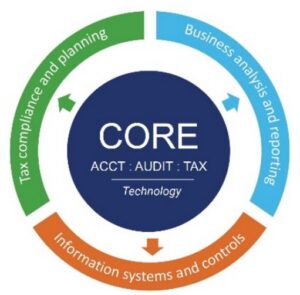
The CPA exam now consists of three core exams and one discipline exam. The core exams include: (1) Financial Accounting and Reporting (FAR), (2) Auditing and Attestation (AUD), and (3) Taxation and Regulation (REG). In addition to the three required core exams, each CPA candidate must take one of the following discipline exams: (1) Business Analysis and Reporting (BAR), (2) Information Systems and Controls (ISC), and (3) Tax Compliance and Planning (TCP).
As detailed in a prior blog post, Pennsylvania now offers multiple pathways to CPA licensure. One pathway requires 150 semester credits and at least one year and 1,600 hours of qualifying experience. Another allows candidates with a bachelor’s degree and the required coursework to qualify with at least two years and 3,200 hours of qualifying experience. Candidates must also pass the CPA exam and satisfy the State Board of Accountancy’s applicable education and experience requirements. Because licensing rules can change and individual circumstances vary, students should confirm current requirements with the State Board of Accountancy.
Maximizing Your College Experience
First Year
Your first year of college is the time to learn about the variety of opportunities in the accounting industry. Freshman accounting majors should consider this to be an exploratory year. During this time, some things you can do include: absorb as much as you can in your introductory classes as this will serve as the foundation to your accounting journey; learn about all career options; attend as many accounting events as possible; begin developing networking skills; ask for advice from the upperclassmen who are leading many accounting events on campus; and get involved on campus in accounting organizations and others that pique your interest. Some firms offer summer programs to provide more information about career opportunities to students who have decided to major in accounting. GYF offers a Pathway to Public Accounting preview that focuses giving students an inside look at public accounting, developing soft skills, building resumes, preparing for interviews and discussing how to attain the CPA credentials.
Second Year
This year introduces more challenging accounting courses and provides more opportunities for networking. During this year, you will become more familiar with the different career options and will likely start to gravitate towards one. It will be helpful to begin networking with firms, professors, and alumni. From these conversations, you will learn what aspects you are looking for in a future work environment. Many accounting firms will offer student leadership opportunities for students who have completed their sophomore year. These programs give underclassmen a way to learn about the firms before considering internship opportunities. GYF hosts an annual Student Leadership Conference, which includes audit and tax simulations, an overview of each service group, opportunities to network with the firm, a volunteer experience at a non-profit organization, and leadership building activities.
Third Year
When entering your third year of college, your focus will likely shift toward gaining real-world experience. An internship, which may be required by some universities, is a great way to expand upon the knowledge you have learned in the classroom during the first two years of college. From my personal experience at GYF, I found that working directly with tax returns as an intern allowed me to see what I was learning about tax laws in the classroom come to life. It is inspiring to see the impact your college courses have on the development of your career. This year is also a great time to begin developing your leadership skills by becoming a member of the executive board for the campus organizations you participate in. In doing so, you will begin to build a leadership background that will help you with your future career goals.
Fourth Year and Above
Finally, during your senior year or while completing a master’s program, continue building relationships with career professionals. Whether you have received a full-time offer from a firm where you interned or are still exploring opportunities, career fairs and conversations with employers can help you identify an organization that aligns with your goals. If CPA licensure is part of your plan, review your state’s education, examination, and experience requirements early. Many employers, including GYF, provide study-planning support and access to exam-preparation software.
Final Thoughts
While it may seem stressful balancing coursework with the many activities and decisions required for future accountants, you will find what works best for you. Remember, that there are many career paths you can take, and everyone has their own journey. This post serves as advice to help students navigate through their college years to maximize future opportunities. The keys to success – focus on learning the foundational aspects of accounting, take advantage of the networking opportunities provided at your school, pursue internships that coincide with your future career aspirations, and lead both inside and outside of the classroom.
Visit our website to learn more about student opportunities and careers at GYF.
Resources:
AICPA’s “This Way to CPA” Resources
AICPA’s Guide to Becoming a CPA